 Marcus FeldEditor-in-Chief
Black High-Top Sneakers: Color, Display & Size Check
Start With the Overall Color Scheme These high-top sneakers use black as the dominant color. The upper, laces, collar, and most of the sole stay within the same color family, while dark gray structural elements add visual depth. Since no bright color blocks are included, the visual focus stays on the shoe's silhouette, side mesh panels, layered stitching, and sole construction. 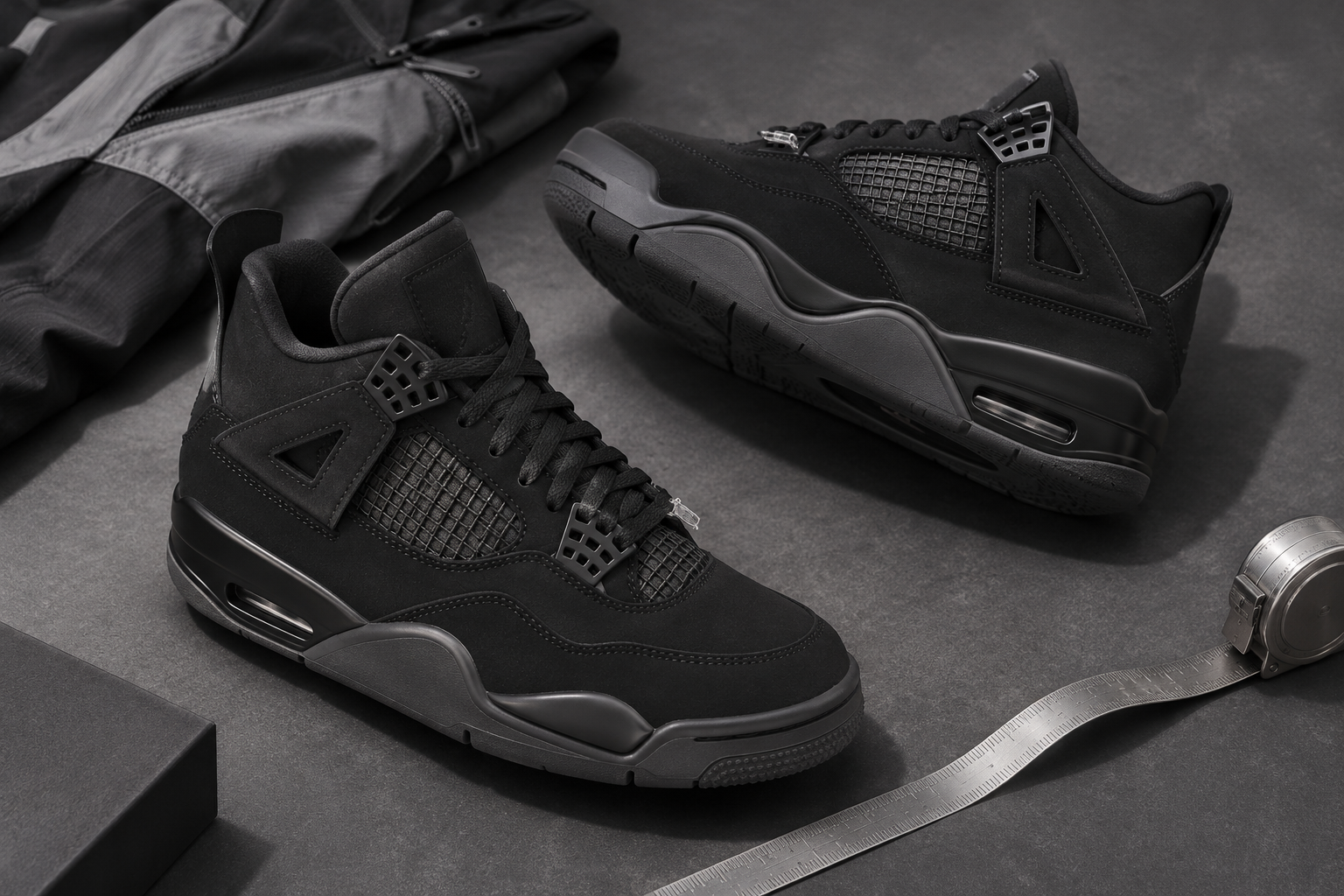
Editor score 4.2 / 5
Start With the Overall Color Scheme
These high-top sneakers use black as the dominant color. The upper, laces, collar, and most of the sole stay within the same color family, while dark gray structural elements add visual depth. Since no bright color blocks are included, the visual focus stays on the shoe's silhouette, side mesh panels, layered stitching, and sole construction.

This black and gray color scheme works well with black, charcoal gray, navy, and military green clothing. For more contrast, add a white or light gray base layer to make the shoes' dark outline stand out more clearly. With an all-black outfit, create dimension through different materials, such as a cotton top, nylon jacket, and textured pants, to keep the look from appearing too flat.
Pulling Styling Priorities From the Image
The shoe has a relatively detailed structure. Mesh-like areas are visible along the sides of the upper, the lace eyelets feature metallic details, and the sole uses layered black and dark gray sections. When styling the outfit, use these details to control the visual proportions.
- For tops, choose a clean black sweatshirt, cropped jacket, or gray hoodie. Avoid oversized graphics that could distract from the overall look.
- For bottoms, try straight-leg black jeans, charcoal gray cargo pants, or dark tapered pants. A slightly narrowed hem makes it easier to show the high-top collar and side support structure.
- With loose-fitting pants, let the hem fall naturally above the collar or lightly overlap the shoe opening. This preserves a relaxed layered effect without completely covering the shoe.
- Keep accessories within the black and gray palette. A dark belt bag, metallic zipper, or low-saturation gray cap can echo the details of the lace eyelets and sole.
How to Arrange the Display Image
For a flat lay, place one shoe in the foreground and offset the other slightly, turning it toward the side. Use the foreground shoe to show the toe, laces, and collar, while the shoe behind it highlights the side panel, heel profile, and sole structure. Keeping both shoes in the same color family makes the image look more cohesive, while the difference in angles prevents the details from overlapping.
When using a dark background, create a difference in brightness or texture between the shoes and the surface. A gray tabletop, rough fabric, or subtly textured background can help define the black upper. Keep accessories limited. A linear object such as a ruler can sit along the edge of the frame as a scale reference, as long as it does not block the toe or sole.
When arranging the display, check the image in the following order:
- First, confirm that the main outline of both shoes is fully visible. The toe, collar, and heel should not be blocked by other objects.
- Next, check that the laces, lace eyelets, and side mesh area are positioned clearly.
- Finally, adjust the background and accessories so they support the composition rather than becoming more eye-catching than the shoes.
Size Observations Require Caution
The image includes a measuring tool with markings, which can help readers understand the shoes' photographic scale and approximate length range. However, the camera angle, placement, and perspective all affect the judgment. A single flat-lay image cannot confirm a specific size, nor can it replace the product page's measurements for insole length, foot-length recommendations, or size chart.
If you need to choose a size, check the product's size chart first and compare it with your measured foot length. In addition to length, pay attention to the last width, collar height, and the thickness of the socks you usually wear, since these details are not fully visible in the current image.
Suitable Styling Directions
These shoes work best with clean, utilitarian, or street-casual outfits. The black upper can anchor the proportions of looser clothing, while the dark gray structure adds variation to an all-black look. For a lighter feel, pair a gray or white top with black bottoms. To emphasize a heavier look, add a dark outer layer, cargo pants, and a few metallic accessories.
The overall principle is to let the clothing create the silhouette and layers while keeping the shoes as the detail-focused element. The image clearly shows the shoes' appearance and their display arrangement, but it does not provide enough information to assess material composition, weight, comfort, durability, or real-world wear performance.